Earth's Core Rotation Influences Day Length
Scientists have long suspected that the Earth's solid inner core, a mass of iron at the planet's center, impacts our planet's rotation speed. This influence is evident in the subtle fluctuations of day length, which vary by milliseconds over several years.
A recent study proposes a connection between the inner core's rotation and these changes in day length. The phenomenon involves three competing forces that interact to either lengthen or shorten our days.
How Earth's Core Rotation Affects Day Length
The Earth's solid inner core, composed of iron, is believed to play a role in regulating the planet's rotation speed. This subtle influence causes day lengths to fluctuate by milliseconds annually.
New research suggests that the inner core's rotational movement directly affects how long our days are. This dynamic is driven by the interplay of three distinct forces.
Understanding the Forces
The precise mechanisms are still being explored, but the general understanding is that the interaction between the inner core and the mantle creates forces that either speed up or slow down the Earth's rotation. These forces, acting in opposition, ultimately determine the minute variations in the length of a day.
Geology: How the Earth's Core Determines Day Length
A new study shows how the rotation of Earth's core shortens or lengthens days. Three forces are competing in this process.
The Earth's inner core, a solid mass of iron at the planet's center, is thought to influence how fast the Earth spins. Day lengths are not constant; they fluctuate by milliseconds over years.
Geology: How the Earth's Core Determines Day Length
New research indicates that the inner core's rotation impacts day length. Three opposing forces are involved in this phenomenon.
The Earth's solid inner core, made of iron, is believed to affect our planet's rotation speed. Day lengths vary annually by milliseconds.
Fresh materials — General News
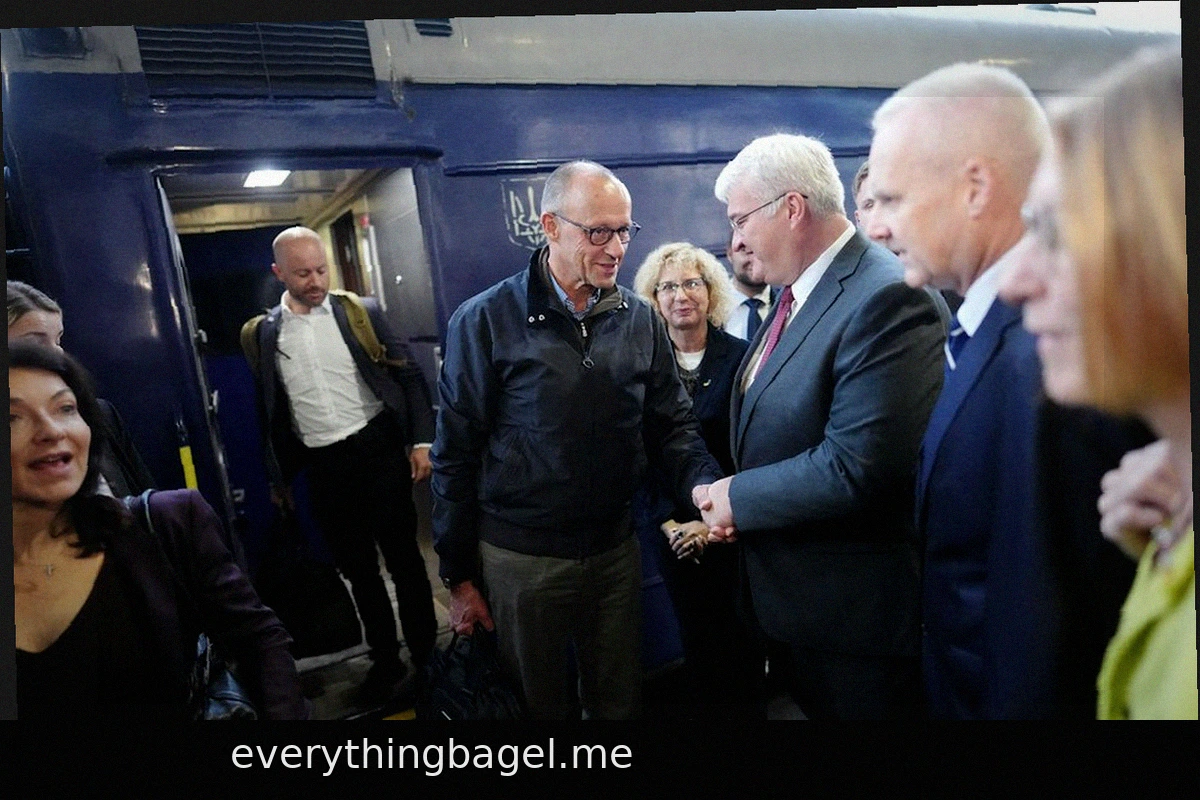
Unexpected Visit: Merz in Kyiv: "You Can Continue to Count on Our Help"
German Chancellor Friedrich Merz (CDU) arrived in Kyiv early Sunday morning for an unannounced solidarity visit. The Ukrainian capital has been suffering from intensified Russian attacks for weeks. Moscow has pledged to continue these assaults with undiminished severity and reitera
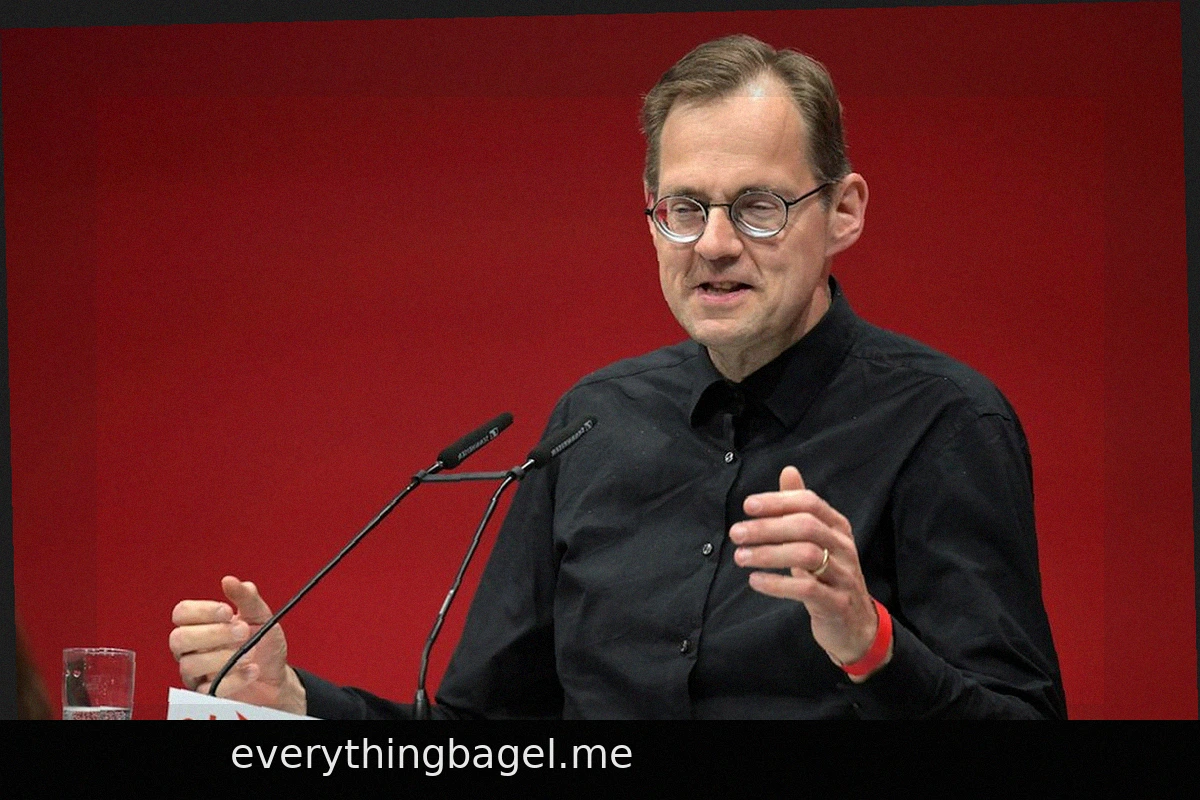
Left Party Leader Pellmann Joins "Rote Hilfe"
Sören Pellmann, leader of the Left Party's parliamentary group, has joined the human rights organization "Rote Hilfe." This move comes in the context of ongoing discussions surrounding the party's direction and its affiliations, particularly following scrutiny of former member Eli
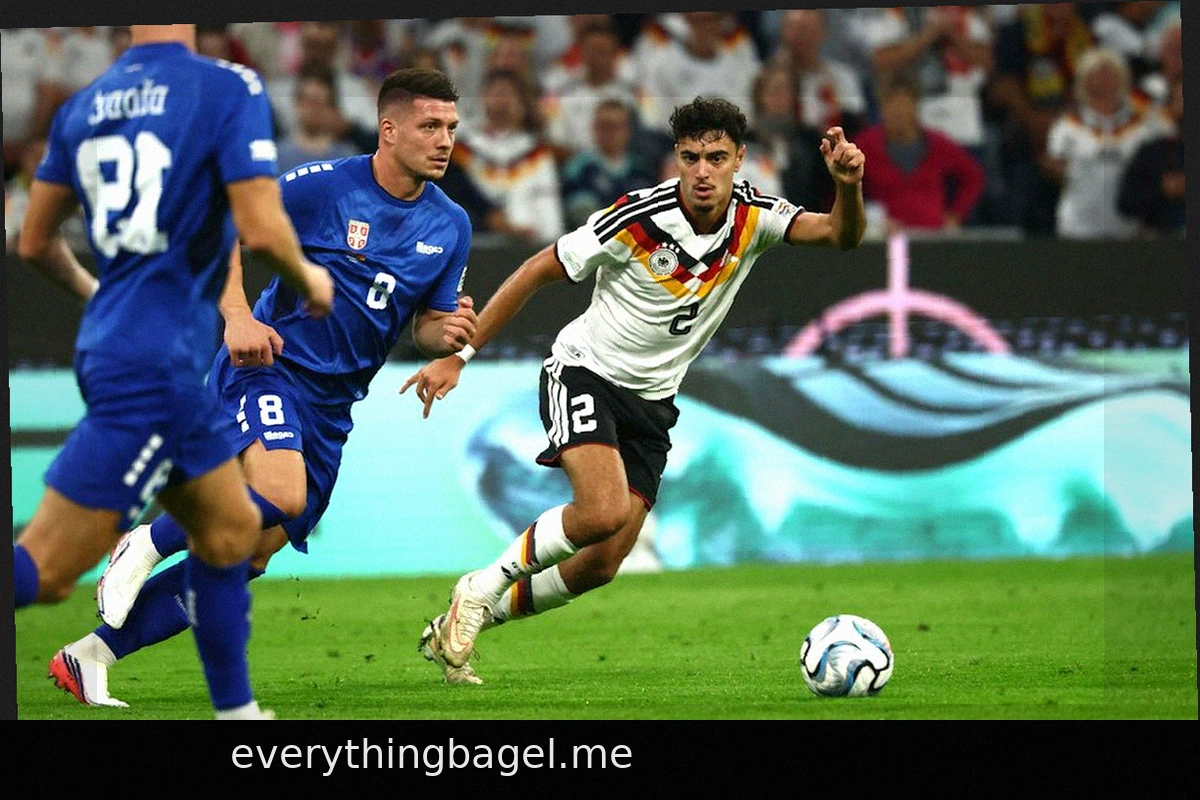
Germany vs. Serbia: Player Ratings - Pavlovic Dominates Midfield
Aleksandar Pavlovic, 22, is confidently filling his new role. Florian Wirtz demonstrated his world-class ability on two occasions. Only Nick Woltemade seemed eager to disappear. Here are the individual player ratings for the German national team against Serbia. By Martin Schneider Jo
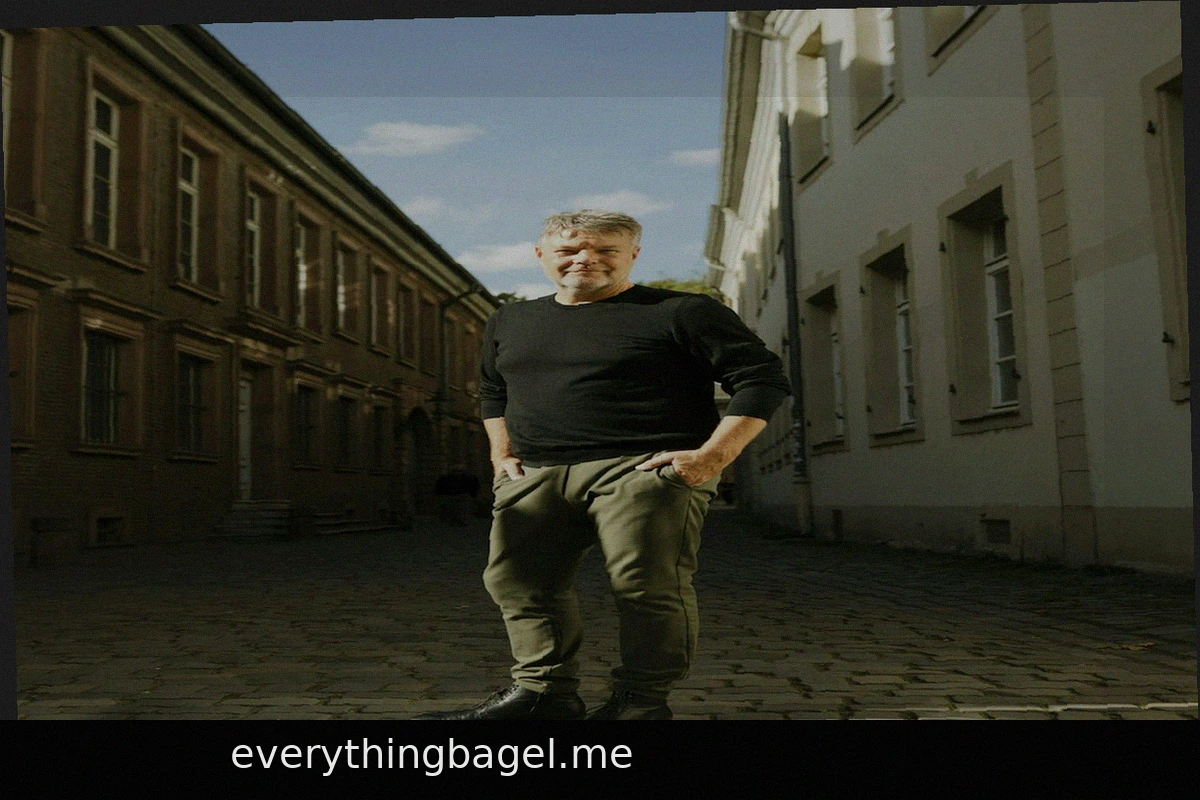
Robert Habeck on the Arctic, Lessons from Government, and His Biggest Failure
Robert Habeck appears composed. Carrying a travel bag over his shoulder, he walks along the Rhine towards the SZ's Düsseldorf office. Spotting a yellow sticker on a railing, reminiscent of the anti-nuclear movement, he notices Ludwig Erhard's image in the center with the text: “Capita
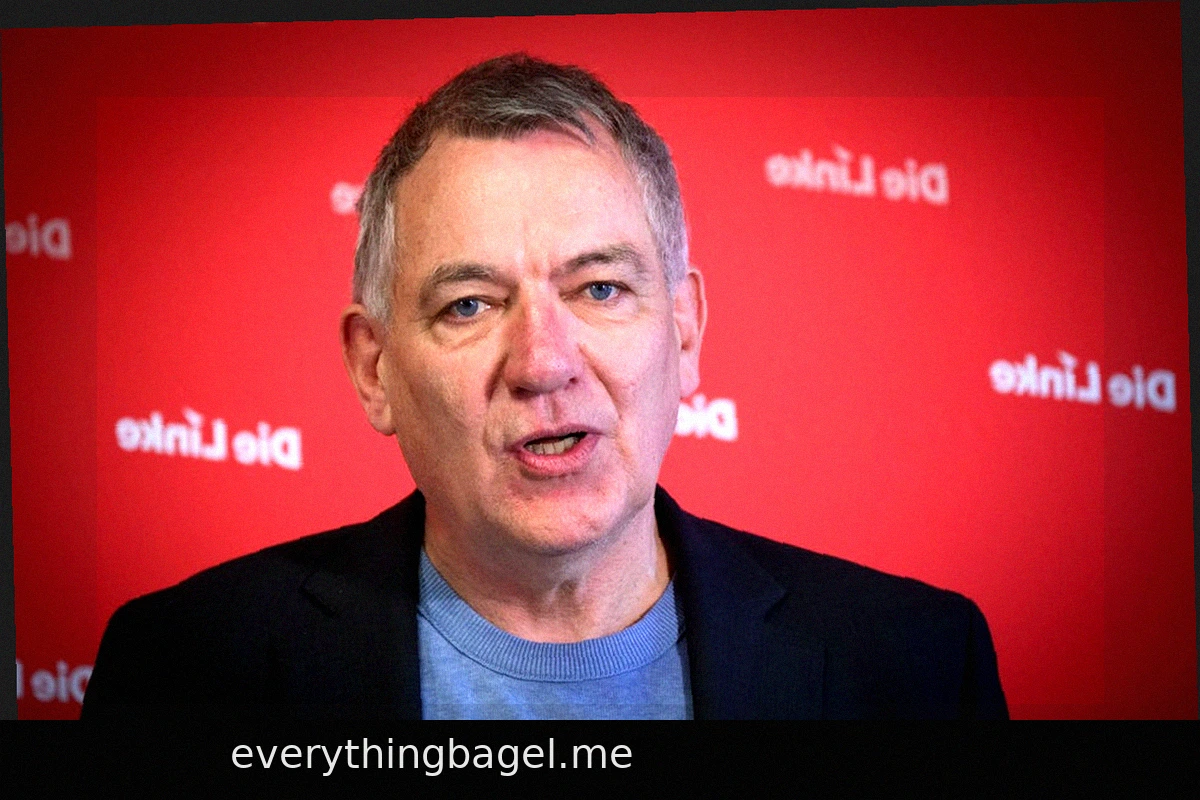
Maischberger and Antisemitism in The Left Party: "The Problem Has Been There for Years"
Political talk shows often feature the same politicians, leading to audience fatigue. Even well-reasoned arguments lose their impact through repetition. Parties opt for seasoned figures over newcomers to minimize the risk of missteps, as a single misstatement can linger and harm b
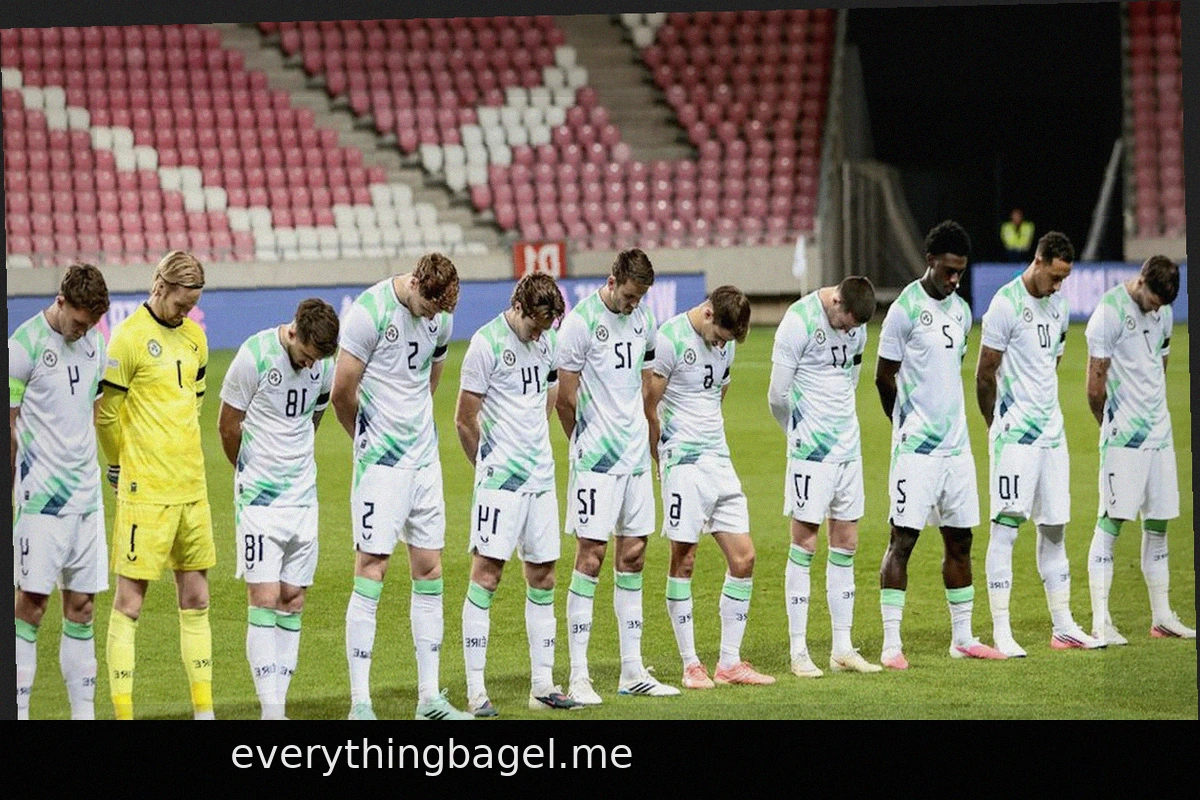
Nations League: Mourning Armbands or Political Statement?
Ireland's approach to the Israel-Palestine conflict, marked by strong criticism of Israel and support for Palestine, is evident in their Nations League match. This game is viewed either as a "farce" or an "honor," depending on one's perspective. Understanding the events surroun