Ariane 64 to Launch 32 Amazon Kuiper Satellites on April 28, 2026
On April 28, 2026, Arianespace is set to conduct the second launch for Amazon's satellite constellation, utilizing its powerful Ariane 64 rocket. This mission, designated VA268 by Arianespace and LE-02 by Amazon, will deploy 32 Kuiper satellites from Europe's spaceport in Kourou, French Guiana. These satellites are part of Amazon's initiative to provide high-speed internet connectivity to underserved regions globally.
This launch marks the second of a comprehensive 18-mission agreement between Arianespace and Amazon. This partnership is vital for Europe, aiming to strengthen the Ariane 6's position in the global market for launching large satellite constellations, a segment currently led by SpaceX. This provides a significant opportunity for Europe to expand its presence in the commercial launch sector.
The Ariane 64 is the most robust configuration of the Ariane 6 launcher, featuring four solid rocket boosters that enable it to carry significant payloads, making it ideal for deploying large satellite constellations. Arianespace plans a total of eight Ariane 6 launches for the current year, including both Ariane 64 and Ariane 62 versions.
The Kourou Launch Campaign
For the VA268 mission, the 32 satellites will be housed within a 20-meter fairing. The entire sequence of progressively deploying the satellites into low Earth orbit is expected to take less than two hours from liftoff to the separation of the final payload.
Amazon's Kuiper satellites arrived at the Guiana Space Centre between March 10 and 12, 2026, signaling the start of the operational phase of the campaign. Concurrently, components for the Ariane 6 launcher are being transported to Pariacabo port by the specialized vessel Canopée, designed specifically for Ariane 6 structure transport. Following these crucial logistical operations, the rocket assembly and comprehensive pre-launch tests will commence.
Amazon has scheduled three closely timed launches for its constellation around this period: LA-05 using an Atlas V on April 29, LA-06 also with an Atlas V on April 24, and LE-02 (Ariane 64) on April 28. These missions will bring the total to 11 launches in the first year of deployment, a notable achievement though still behind Starlink's pace. Amazon announced on March 23 that it intends to more than double the number of launches in the second year of deployment, aiming for over twenty missions to rapidly expand the Kuiper constellation.
Fresh materials — Science News
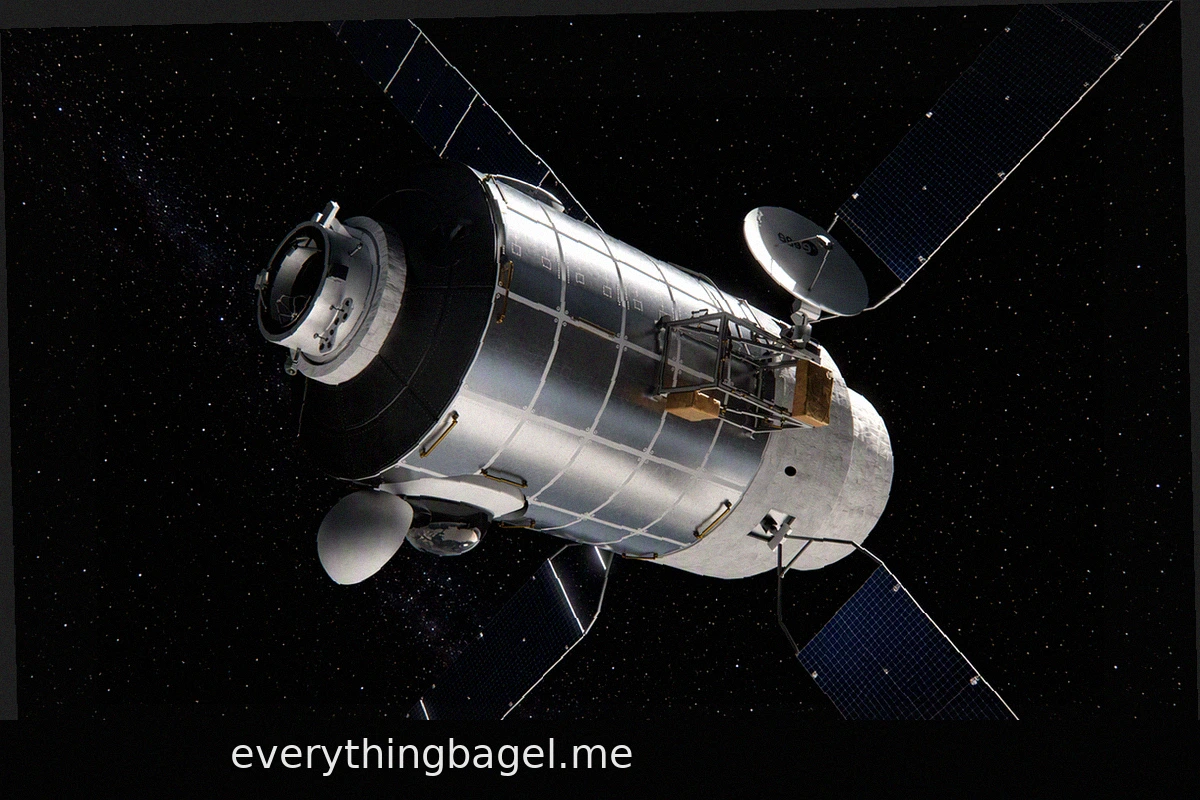
ESA Initiates European Space Station Feasibility Studies with Airbus and OHB
The European Space Agency (ESA) has commissioned parallel studies by Airbus Defence and Space and OHB to assess the feasibility of a future European-led space station in low Earth orbit. This initiative is part of ESA's preparations for the post-International Space Station (ISS) era. Currently
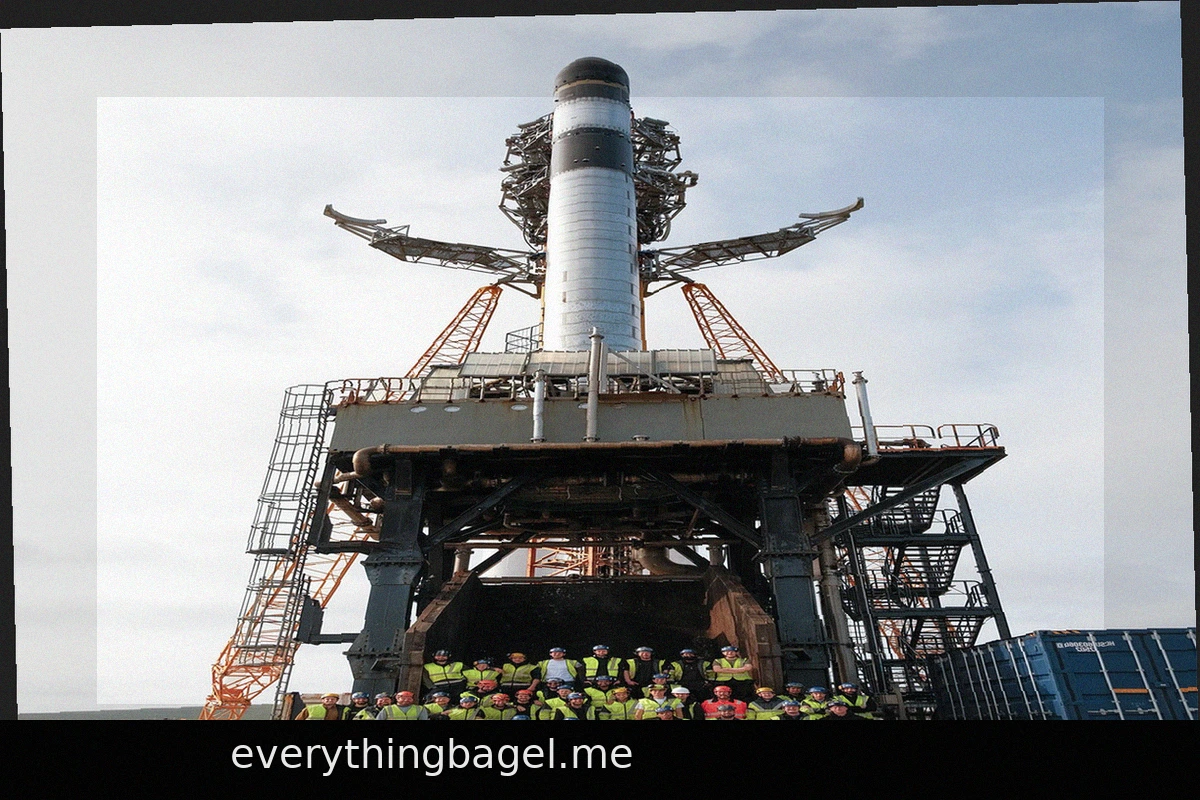
UK Invests £60 Million to Finalize SaxaVord Spaceport
The British government has announced an investment of £30 million in the SaxaVord spaceport, located in the Shetland Islands, Scotland. A portion of this funding will be public, supplemented by an anticipated £30 million from private investors, totaling £60 million to complete the launch site'
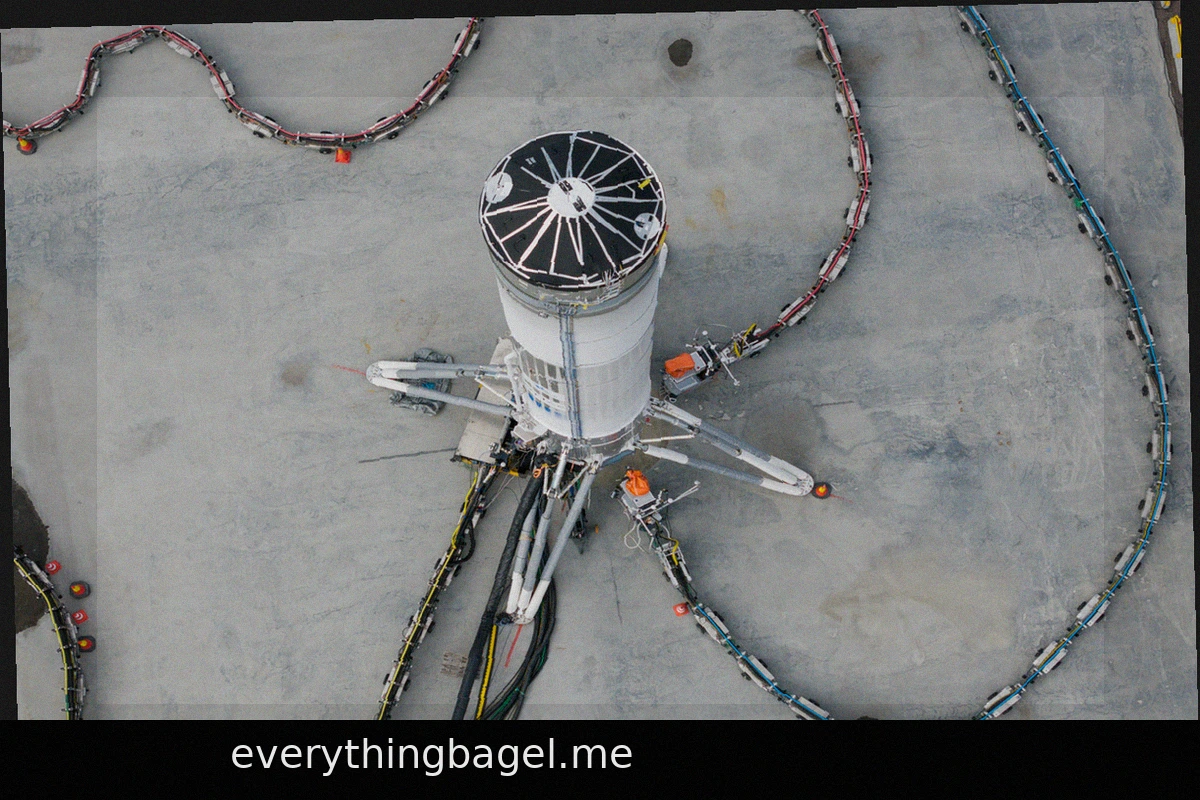
European Reusable Rocket Demonstrator Themis Completes Wet Dress Rehearsal Test
On July 23, 2026, the European demonstrator, Themis, successfully completed a wet dress rehearsal at the Esrange Space Center in northern Sweden. This test allowed teams from ArianeGroup and SSC Space (the company managing the Esrange spaceport) to simulate the full day's operational sequence
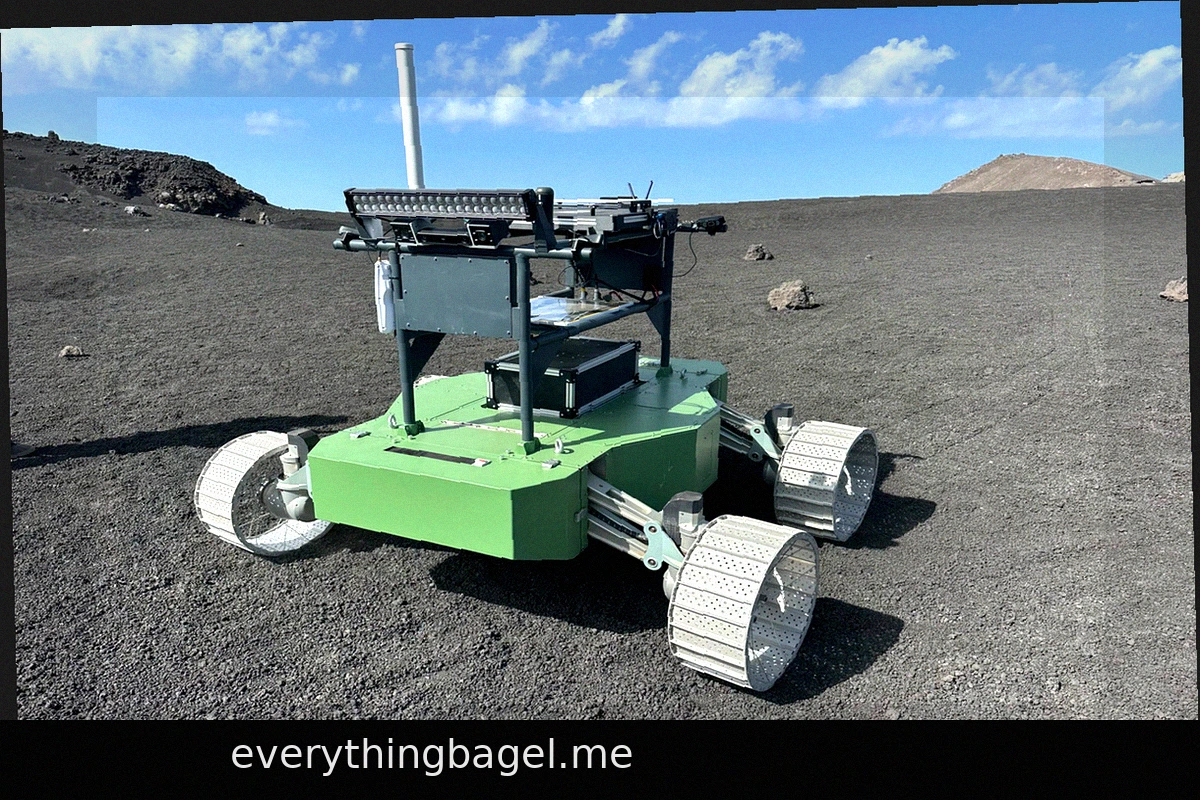
Italian Rover ETNA Completes Etna Tests for Future Lunar Missions
The testing campaign for the ETNA (Exploration Technology for Navigation & Autonomy) rover, developed as part of the Italian Space Agency (ASI) Universal Locomotion System program, has successfully concluded. For several weeks, the rover operated on the slopes of Mount Etna, tackling volcanic
Telespazio Inaugurates New Satellite Antenna in the Azores
Telespazio has unveiled a new S/X band satellite antenna on Santa Maria Island, located in the Portuguese archipelago of the Azores. This new infrastructure is a significant addition to the company's international ground station network and will be utilized for communications with low Earth or
20 July 1969: The Apollo 11 Mission and the Moment That Changed the World
On July 20, 1969, the world paused to witness an event that would forever alter our perception of our place in space. The Apollo 11 mission's Eagle module, with Neil Armstrong and Buzz Aldrin aboard, landed on the Moon, marking a turning point in the history of human exploration. As the words