D-Orbit to Guide MORPH, ESA's First In-Orbit Satellite Refueling Mission
The European Space Agency (ESA) has selected D-Orbit as the prime contractor for MORPH (Modular On-Orbit Refurbishment for Permanent Hardware), a pioneering mission aiming to demonstrate, for the first time in Europe, the in-orbit refueling of satellites. This significant announcement was made on March 24, 2026, during the SatShow 2026 in Washington D.C., where D-Orbit participated as part of the Italian Pavilion.
MORPH represents a crucial step towards a new paradigm for satellite utilization. Currently, satellites are designed with a finite operational life, functioning only until their fuel is depleted or their systems fail. When either of these conditions occurs, the satellite is typically replaced with a new one launched from Earth. This conventional approach, however, is not only costly but also contributes to the increasing number of objects in orbit, exacerbating the problem of space debris.
The core concept behind this mission is to fundamentally alter this approach. By employing in-orbit maintenance technologies such as repairs, upgrades, and refueling, satellites could continue to operate for significantly longer periods. This would consequently reduce the need for frequent new launches and allow for a more efficient utilization of existing space assets.
MORPH builds upon the groundwork already laid by D-Orbit with its RISE mission, which is scheduled for 2029. Compared to RISE, this new project aims to investigate and implement more advanced solutions, particularly in the realm of in-orbit refueling. Following a preliminary phase that has already been successfully completed, the program is now entering Phase A, during which the primary aspects of the mission will be meticulously defined.
Towards Reusable Satellites and a More Sustainable Space
During the eight months allocated for the Phase A study, D-Orbit, in collaboration with its consortium partners, will develop a comprehensive mission concept for demonstrating in-orbit refueling. This includes defining the system architecture, detailing the operational scenario, and identifying the necessary technologies required to perform these complex operations safely and effectively.
The project leverages the GEA platform, an innovative system specifically developed by D-Orbit for in-orbit servicing under contract with ESA. This versatile platform will be adapted with modular interfaces and robotic systems capable of interacting with other satellites, enabling critical operations such as fuel transfer or the replacement of components.
A significant focus of the study pertains to satellites in geostationary orbit (GEO), where many of the systems vital for everyday global communications and services reside. The ability to intervene on these satellites directly in space would allow them to remain operational for extended periods, thereby reducing the immediate necessity to launch new replacements.
MORPH aligns perfectly with ESA's overarching strategy to foster a more sustainable space environment. The mission's objective is to reduce the accumulation of space debris and optimize the utilization of resources already present in orbit.
Fresh materials — Science News
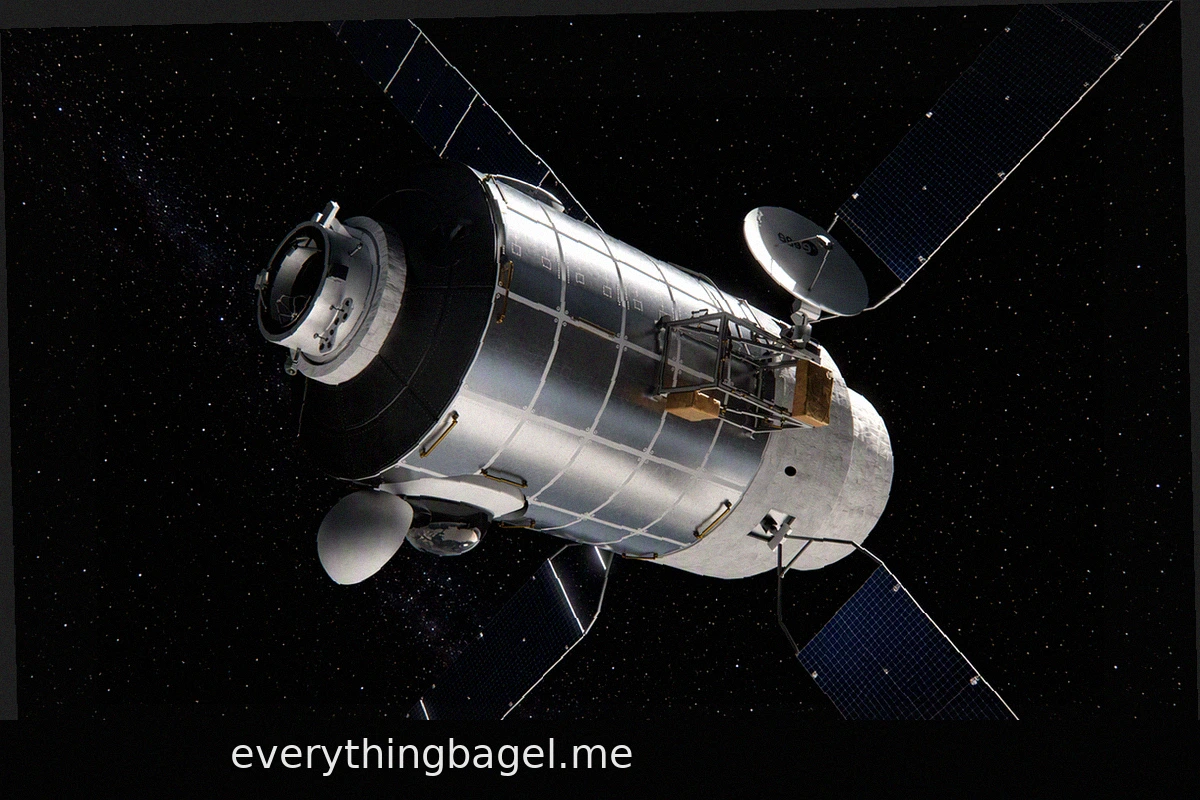
ESA Initiates European Space Station Feasibility Studies with Airbus and OHB
The European Space Agency (ESA) has commissioned parallel studies by Airbus Defence and Space and OHB to assess the feasibility of a future European-led space station in low Earth orbit. This initiative is part of ESA's preparations for the post-International Space Station (ISS) era. Currently
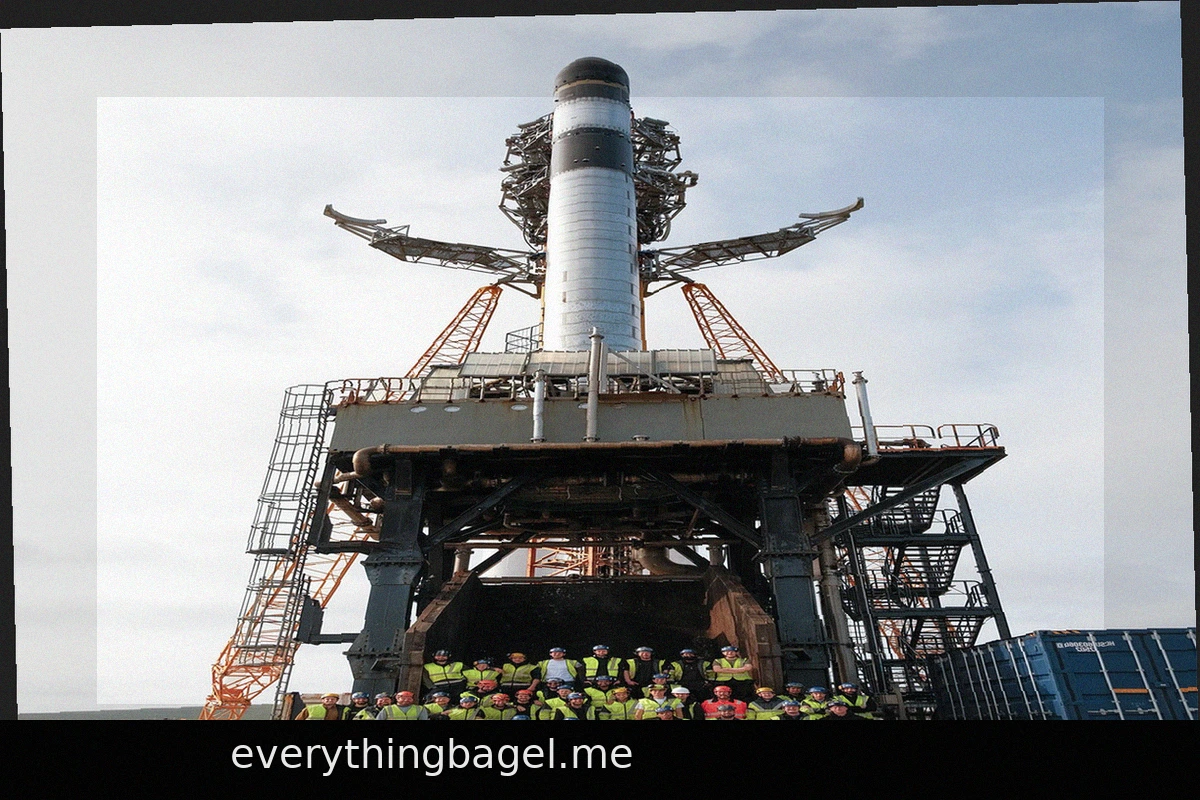
UK Invests £60 Million to Finalize SaxaVord Spaceport
The British government has announced an investment of £30 million in the SaxaVord spaceport, located in the Shetland Islands, Scotland. A portion of this funding will be public, supplemented by an anticipated £30 million from private investors, totaling £60 million to complete the launch site'
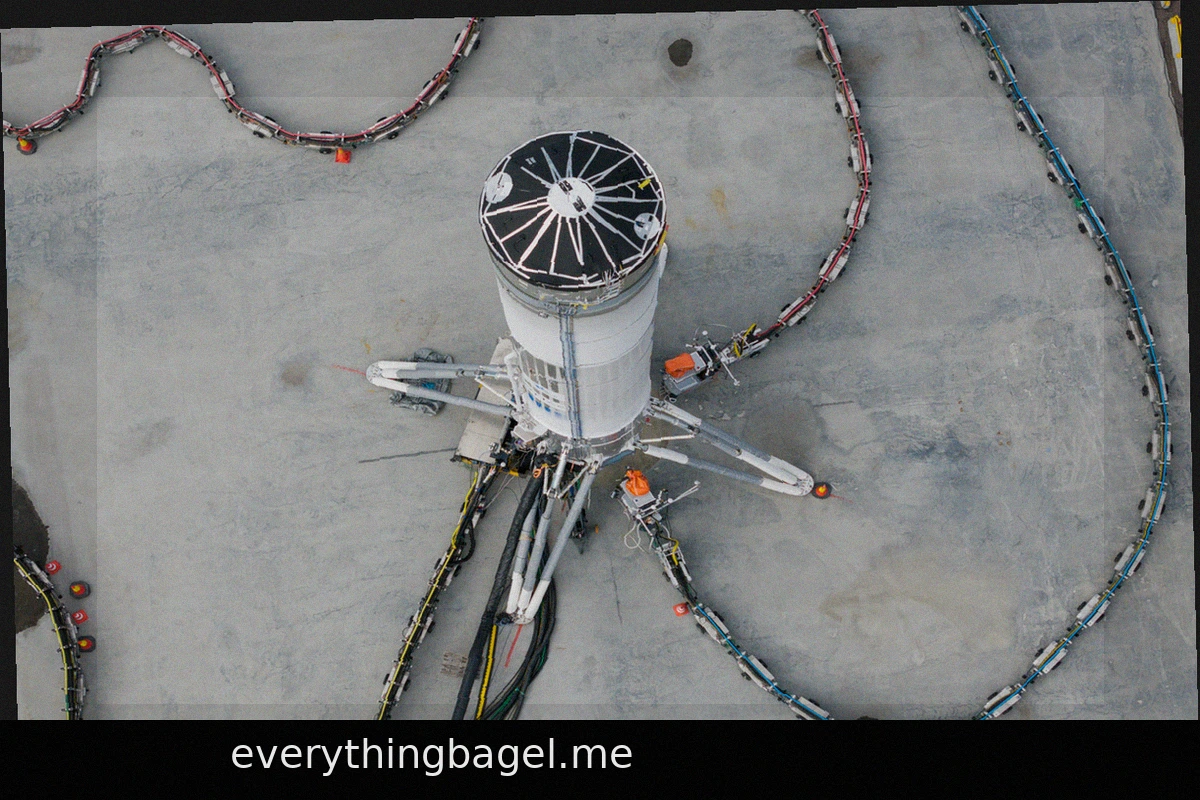
European Reusable Rocket Demonstrator Themis Completes Wet Dress Rehearsal Test
On July 23, 2026, the European demonstrator, Themis, successfully completed a wet dress rehearsal at the Esrange Space Center in northern Sweden. This test allowed teams from ArianeGroup and SSC Space (the company managing the Esrange spaceport) to simulate the full day's operational sequence
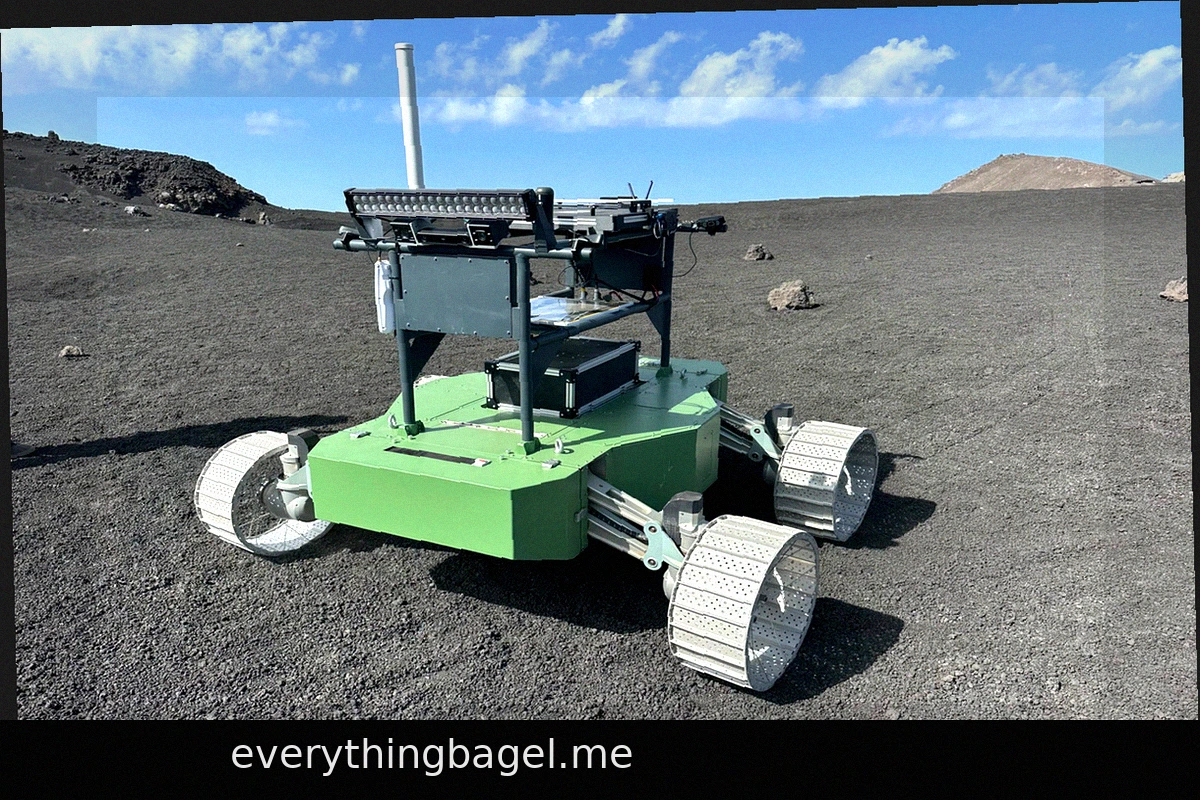
Italian Rover ETNA Completes Etna Tests for Future Lunar Missions
The testing campaign for the ETNA (Exploration Technology for Navigation & Autonomy) rover, developed as part of the Italian Space Agency (ASI) Universal Locomotion System program, has successfully concluded. For several weeks, the rover operated on the slopes of Mount Etna, tackling volcanic

Telespazio Inaugurates New Satellite Antenna in the Azores
Telespazio has unveiled a new S/X band satellite antenna on Santa Maria Island, located in the Portuguese archipelago of the Azores. This new infrastructure is a significant addition to the company's international ground station network and will be utilized for communications with low Earth or
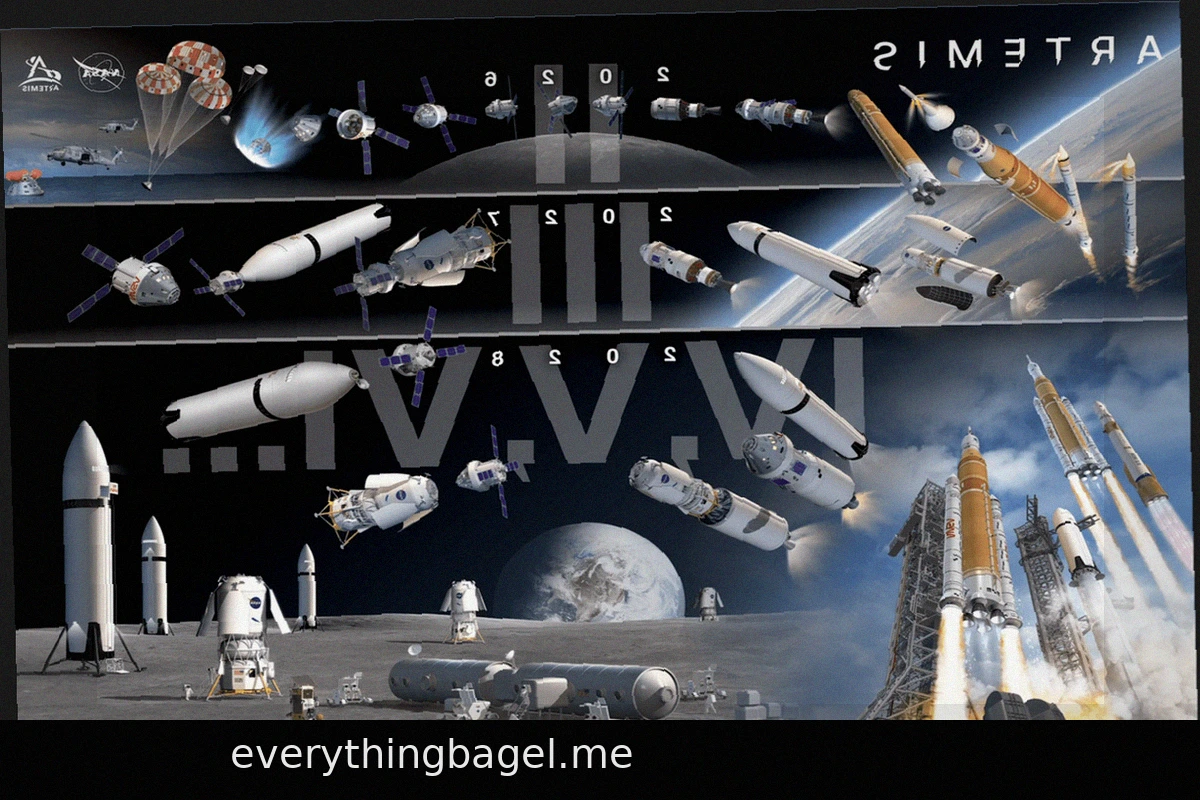
20 July 1969: The Apollo 11 Mission and the Moment That Changed the World
On July 20, 1969, the world paused to witness an event that would forever alter our perception of our place in space. The Apollo 11 mission's Eagle module, with Neil Armstrong and Buzz Aldrin aboard, landed on the Moon, marking a turning point in the history of human exploration. As the words